Deep Cleaning in Modern Homes: What It Includes, Why It Matters, and How to Do It Right
Why Deep Cleaning Matters More Than Everyday Tidying
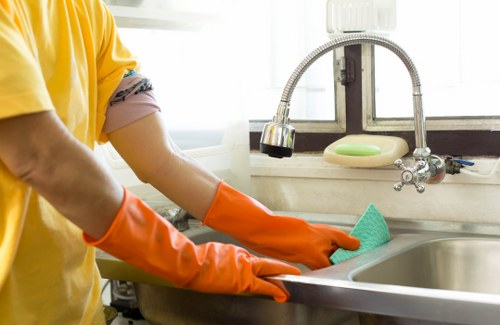
Deep cleaning is more than a routine sweep, wipe, or quick vacuum. It focuses on the hidden dirt, dust, grease, and buildup that regular cleaning often misses. In busy homes, offices, and rental properties, deep cleaning helps restore freshness, improve hygiene, and create a healthier indoor environment. If you have ever noticed grime around baseboards, dust on ceiling fans, or stains inside appliances, then you already know why deep cleaning matters.
Many people clean daily but still feel that their space is not truly clean. That is because surface cleaning only handles what is visible. Deep cleaning reaches the overlooked places: under furniture, inside cabinets, behind toilets, along grout lines, and inside vents. It is a more detailed process that can make a room look, smell, and feel significantly better.
For homeowners, renters, property managers, and business owners, deep cleaning is an essential maintenance task rather than a luxury. It helps extend the life of surfaces, reduce allergens, and maintain a polished appearance. Whether you do it yourself or hire professionals, understanding what deep cleaning in a property includes will help you get better results and protect your investment.
What Deep Cleaning Really Means
Deep cleaning refers to a thorough, detailed cleaning process that addresses built-up dirt and neglected areas throughout a space. Unlike routine cleaning, which keeps things manageable from day to day, deep cleaning targets grime that has accumulated over time. This may include soap scum, grease residue, limescale, pet hair, dust layers, and hidden debris.
In practical terms, deep cleaning in homes and commercial spaces usually involves moving beyond open surfaces. It may require lifting furniture, cleaning high-touch points, washing walls, sanitizing bathrooms, and scrubbing kitchen appliances. The goal is not just appearance; it is also sanitation, freshness, and maintenance.
Deep cleaning is often done on a seasonal schedule, before special events, during move-in or move-out periods, or after renovations. It can also be useful when a property has been unused for a while or when there are signs of allergen buildup, odors, or stubborn dirt. Deep cleaning is a reset for the entire space.
Deep Cleaning vs. Regular Cleaning
Regular cleaning focuses on daily or weekly upkeep. It includes tasks like sweeping floors, wiping counters, taking out trash, and cleaning visible messes. Deep cleaning, by contrast, is more intensive and time-consuming. It tackles the areas that are not part of a standard cleaning routine.
Here is a simple way to think about it:
- Regular cleaning: maintains cleanliness.
- Deep cleaning: restores cleanliness.
- Regular cleaning: removes surface dirt.
- Deep cleaning: removes embedded dirt and buildup.
- Regular cleaning: done frequently.
- Deep cleaning: done periodically or as needed.
This distinction matters because many households assume they are keeping up with cleanliness when in reality grime is slowly accumulating. By scheduling deep cleaning regularly, you can prevent buildup from becoming overwhelming or damaging to finishes and fixtures.
Benefits of Deep Cleaning in Homes and Businesses
There are many reasons why deep cleaning is worth the effort. One of the biggest benefits is improved hygiene. Dirt and bacteria can collect in places that are touched often but cleaned rarely, such as light switches, door handles, faucet handles, and remote controls. Deep cleaning helps reduce contamination in these high-use areas.
Another major benefit is indoor air quality. Dust, pet dander, pollen, and mold spores can settle in carpets, vents, upholstery, and curtains. A thorough deep cleaning in these areas can help create a cleaner breathing environment, which is especially helpful for allergy sufferers and families with young children.
Deep cleaning also improves the look and feel of a property. A freshly cleaned kitchen, sparkling bathroom, and dust-free living space can make a home feel more welcoming and organized. In commercial settings, it can support a professional image and create a more pleasant environment for customers and employees.
Key advantages include:
- Reduced allergens and dust
- Better sanitation
- Less unpleasant odor
- Longer lifespan of fixtures and surfaces
- Improved appearance and comfort
- Better preparation for guests, tenants, or inspections
Areas That Need the Most Attention During Deep Cleaning
When people think of cleaning, they often focus on obvious surfaces. But the real value of deep cleaning comes from paying attention to hidden and neglected spaces. Kitchens, bathrooms, bedrooms, and common areas all have specific trouble spots that should be addressed carefully.
In the kitchen, grease and food residue build up quickly. Cabinet fronts, backsplash tiles, oven interiors, range hoods, refrigerator shelves, and sink drains all need special attention. A proper deep cleaning routine also includes wiping inside drawers, cleaning under appliances, and removing crumbs from corners and edges.
Bathrooms are another major focus because moisture creates the perfect environment for soap scum, mildew, and mineral deposits. Deep cleaning in bathrooms often includes scrubbing grout, disinfecting toilets, polishing mirrors, descaling faucets, and cleaning behind the toilet and under the sink.
Common Deep Cleaning Zones

Bedrooms, living rooms, and hallways may look clean at first glance, but dust often accumulates in places that are easy to ignore. These include ceiling fans, vents, baseboards, window tracks, lampshades, blinds, mattress seams, and under beds or sofas. Deep cleaning these zones can noticeably improve freshness.
Some of the most commonly missed areas include:
- Behind and beneath furniture
- Inside kitchen appliances
- Baseboards and trim
- Air vents and filters
- Window sills and tracks
- Bathroom grout and tile corners
- Light switches and door handles
- Closet shelves and storage areas
By focusing on these zones, deep cleaning in any space becomes more effective and visible. The finished result is not just cleaner on the surface; it feels genuinely renewed.
Tools and Supplies for Effective Deep Cleaning
Having the right tools makes deep cleaning faster, safer, and more thorough. While different surfaces require different products, a well-prepared cleaning kit usually covers most tasks. The goal is to remove grime efficiently without damaging finishes or creating unnecessary waste.
Basic supplies often include microfiber cloths, scrub brushes, sponges, a vacuum with attachments, mop buckets, disinfectant, glass cleaner, degreaser, and an all-purpose cleaner. Depending on the area, you may also need grout cleaner, stainless steel polish, limescale remover, and an upholstery attachment.
It is also smart to use protective items such as gloves, masks for dusty jobs, and kneepads for floor-level cleaning. If you are handling strong cleaners, ventilation is important. Deep cleaning can be very effective, but it should also be done safely.
Useful tools at a glance:
- Microfiber cloths
- Vacuum with crevice tool
- Toilet brush and scrub brush
- Non-abrasive sponges
- Buckets and spray bottles
- Degreaser and disinfectant
- Grout brush or old toothbrush
- Glass and surface polish
Deep Cleaning in the Kitchen
The kitchen is often the busiest room in the home, which means it collects grease, crumbs, spills, and odors quickly. Deep cleaning in the kitchen is especially important because this space is used to prepare food and handle utensils, cookware, and surfaces that need to stay sanitary.
A kitchen deep clean should start with decluttering and clearing countertops. From there, wipe cabinet doors, clean backsplash tile, wash sink basins, and scrub around faucets. Appliances deserve attention too. The oven, microwave, refrigerator, dishwasher exterior, and stove top often hold hidden residue that routine cleaning misses.
Do not forget less obvious tasks such as cleaning under the refrigerator, removing items from pantry shelves, and wiping inside drawers. A truly effective deep cleaning process also includes cleaning light fixtures, switches, and the tops of cabinets where dust and grease often combine.
Kitchen Deep Cleaning Checklist
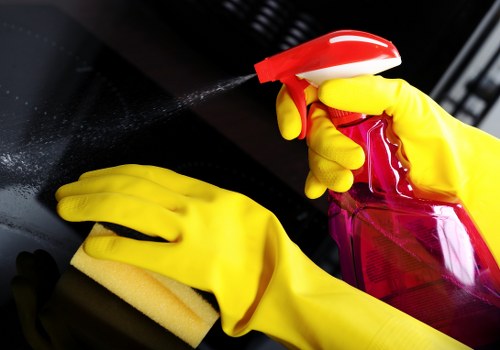
Use the following checklist to keep the process organized:
- Empty and wipe cabinets and drawers
- Clean inside the refrigerator and freezer
- Scrub the oven and stovetop
- Disinfect sink and faucet areas
- Wipe backsplash tiles and wall splashes
- Clean small appliances externally and internally where appropriate
- Sweep and mop behind appliances
- Remove grime from trash can surfaces
When done correctly, deep cleaning in the kitchen can dramatically reduce odors and improve food preparation hygiene. It also helps appliances perform better and last longer, since built-up grease and dust can affect function over time.
Deep Cleaning in Bathrooms
Bathrooms demand special attention because they combine moisture, heat, and frequent use. This makes them vulnerable to soap scum, mildew, water stains, and bacteria. A thorough deep cleaning routine can restore shine and help maintain a healthier space.
Start with mirrors, countertops, sinks, and faucet handles. Then move to the toilet, shower, tub, and tile. Grout lines should be scrubbed carefully, and any buildup around drains or fixtures should be removed. In many homes, deep cleaning in bathrooms also includes washing shower curtains, wiping cabinet interiors, and cleaning behind the toilet.
For tough buildup, products designed for mineral deposits or mildew may be needed. However, it is always important to test cleaners on small areas first. Deep cleaning should improve the condition of surfaces, not damage them.
Bathroom priorities often include:
- Scrubbing tile and grout
- Disinfecting toilet surfaces
- Removing soap scum from glass and tubs
- Polishing mirrors and faucets
- Cleaning exhaust fans and vents
- Wiping cabinets and storage shelves
How Deep Cleaning Supports a Healthier Home

One of the strongest reasons to invest in deep cleaning is health. Dust, allergens, mold spores, and bacteria can build up in areas you rarely inspect. Over time, that buildup can affect comfort, especially for people with asthma, allergies, or sensitivities.
Carpets, rugs, upholstered furniture, and curtains can trap particles that circulate through the air. A proper deep cleaning in these areas can reduce triggers and make the space feel fresher. Similarly, cleaning vents, fans, and filters helps support better airflow and less dust recirculation.
There is also a psychological benefit. A deep-cleaned space often feels calmer and more manageable. Many people find that deep cleaning helps reduce stress because it removes visual clutter, hidden grime, and the nagging sense that something is unfinished.
When to Schedule Deep Cleaning
The right timing for deep cleaning depends on lifestyle, property type, and usage. Some homes need it every few months, while others may only require it seasonally. High-traffic households, pet owners, and families with children often benefit from more frequent attention.
Consider scheduling deep cleaning in these situations:
- At the start of a new season
- Before or after hosting guests
- During move-in or move-out
- After renovations or construction
- When allergies or odors increase
- After illness in the home
- When routine cleaning is no longer enough
If you wait too long, buildup becomes harder to remove. A regular deep cleaning schedule keeps maintenance manageable and protects surfaces from long-term damage.
Professional Deep Cleaning vs. DIY
Some people prefer to handle deep cleaning themselves, while others choose to hire professionals. Both approaches have advantages. DIY cleaning can save money and give you full control over products and methods. Professional services, however, bring experience, speed, and specialized tools.
Professional cleaners often know how to handle stubborn buildup, fragile materials, and hard-to-reach areas more efficiently. They may use commercial-grade equipment for carpets, upholstery, tile, and hard floors. For busy households or larger properties, deep cleaning in professional hands can be a time-saving option.
DIY deep cleaning works well if you have the time, energy, and supplies to do the job thoroughly. The best choice depends on your schedule, budget, and expectations. In many cases, a hybrid approach works well: handle day-to-day upkeep yourself and schedule professional deep cleaning when a more intensive refresh is needed.
Consider hiring help when:
- The property is large or heavily used
- You need move-out or post-renovation cleaning
- You are short on time
- There are tough stains or buildup
- You want specialized equipment or faster results
Deep Cleaning Mistakes to Avoid
Even a well-intentioned cleaning session can fall short if common mistakes are made. One mistake is trying to rush through the process. Deep cleaning takes time because it involves attention to detail. Skipping corners or overlooking hidden spots reduces the effectiveness of the effort.
Another common issue is using the wrong cleaner on the wrong surface. Harsh chemicals can damage wood, stone, tile finishes, and delicate fixtures. Always follow product instructions and test cleaners before using them widely. Proper ventilation is also important, especially when dealing with strong degreasers or disinfectants.
It is also easy to focus only on visible spaces while ignoring less obvious areas. But true deep cleaning in a home or business depends on moving furniture, cleaning vents, and tackling the buildup behind and below objects. The most visible results often come from the places that were cleaned least often.
How to Maintain the Results After Deep Cleaning
Once a space has been thoroughly cleaned, the next step is keeping it that way for as long as possible. Maintenance does not need to be complicated. Small, consistent habits can preserve the results of deep cleaning and make the next session much easier.
Daily tidying, weekly vacuuming, regular bathroom wipe-downs, and kitchen surface cleaning all help prevent buildup. It is also smart to tackle small messes immediately rather than waiting. The longer spills and dust sit, the harder they become to remove.
For best results, create a schedule that separates routine chores from periodic deep cleaning. This gives each task a purpose and reduces overwhelm. When you maintain clean spaces consistently, your home or business stays more inviting, healthier, and easier to manage.
Helpful maintenance habits:
- Wipe surfaces after use
- Vacuum high-traffic areas regularly
- Clean filters and vents on schedule
- Address spills and stains quickly
- Declutter regularly to reduce dust collection
- Repeat deep cleaning seasonally or as needed
Why Deep Cleaning in Is a Smart Investment
Whether you are maintaining a family home, preparing a property for tenants, or keeping a workplace polished, deep cleaning in your space is a smart investment. It improves hygiene, enhances comfort, and helps protect surfaces from long-term wear. It also supports a more organized and pleasant atmosphere.
Unlike quick cleaning alone, deep cleaning addresses the causes of buildup rather than only the symptoms. That means better results, longer-lasting freshness, and fewer issues with odor, stains, and dust. It can even improve the overall impression your space makes on visitors, customers, or potential buyers.
In the end, deep cleaning is about more than making a property look nice. It is about creating a space that feels healthier, functions better, and reflects a higher standard of care. If you have been putting it off, now is the right time to take action. Contact us today to get started, or book your service now and enjoy the benefits of a truly refreshed space.