Clapham Junction carpet cleaning what to know
If you are looking into Clapham Junction carpet cleaning what to know, you are probably trying to solve a very ordinary but very real problem: a carpet that looks tired, smells a bit off, or has a stain that has somehow become part of the furniture. Happens to the best of us. In a busy London home, carpets pick up everything from muddy shoes and pet hair to coffee spills and the fine dust that seems to appear out of nowhere. This guide walks through what carpet cleaning actually involves, what to expect, how to prepare, and how to judge whether a service is good value.
It also helps if you are comparing local options, thinking about an end-of-tenancy clean, or simply wanting your place to feel fresher. You will find practical steps, common mistakes, and a few grounded tips that make the whole thing easier. For broader home care, you may also find the domestic cleaning service useful, especially if your carpets are only one part of a bigger reset.
Table of Contents
- Why Clapham Junction carpet cleaning matters
- How carpet cleaning works
- Key benefits and practical advantages
- Who this is for and when it makes sense
- Step-by-step guidance
- Expert tips for better results
- Common mistakes to avoid
- Tools, resources and recommendations
- Law, compliance and best practice
- Options, methods and comparison table
- Case study or real-world example
- Practical checklist
- Conclusion
- Frequently asked questions
Why Clapham Junction carpet cleaning matters
Carpet cleaning is not just about making fibres look brighter. In a place like Clapham Junction, where people move fast, live close together, and often juggle work, commuting, pets, and visitors, carpets take on a lot of wear. Hallways get tracked through. Living rooms collect crumbs and foot traffic. Bedrooms can hold dust and odour in ways you do not notice until the room is properly cleaned. Then suddenly the whole space feels lighter. Cleaner. Quieter, even.
That is why the question behind Clapham Junction carpet cleaning what to know matters. The right clean can improve appearance, help manage allergens, and reduce the "used" feeling that builds up over time. It also supports longer carpet life, which is important because replacing floor coverings is not cheap, and in many homes it is not something you want to do lightly.
There is also a practical side. If you rent, are moving out, or have just finished renovations, carpet condition can affect how the property is handed over. In those situations, a deeper service such as end of tenancy cleaning may be more appropriate than a quick freshen-up. In family homes, the need may be simpler: one stubborn stain, or a room that just needs resetting after winter. Truth be told, carpet care often gets pushed down the list until the room starts to look a bit flat. That is usually the moment people realise they should have acted sooner.
Expert summary: if your carpet looks dull, smells stale, or has visible traffic lanes, a professional clean is usually more effective than repeated home vacuuming alone. It is a maintenance step, not a luxury.
How Clapham Junction carpet cleaning works
Most professional carpet cleaning follows a fairly simple process, even if the equipment looks a bit serious at first glance. The cleaner inspects the carpet, identifies the fibre type and condition, checks for stains, and chooses a method that suits the material. That part matters more than people realise. Wool, synthetic blends, and delicate rugs do not all want the same treatment.
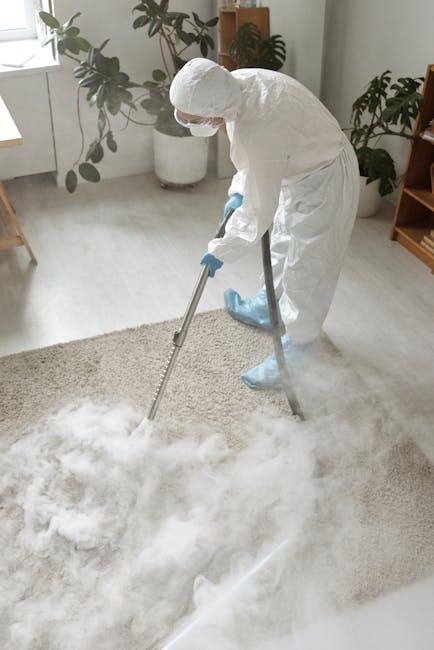
The most common approach is hot water extraction, sometimes called steam cleaning, though it is not literally steam in the way people imagine. Water and cleaning solution are applied to the carpet, worked into the fibres, and then extracted along with loosened soil. Done properly, this removes a lot more embedded dirt than surface vacuuming. For smaller or more delicate items, a low-moisture or specialist method may be better.
A good clean usually includes pre-treatment for stains or high-traffic areas, agitation where needed, and careful drying advice at the end. The room may look slightly damp for a while, and yes, that is normal. The important thing is that the carpet should not be left overly wet. That is where problems begin. If you are dealing with multiple soft furnishings at the same time, a related service like upholstery cleaning can be a sensible add-on, especially in living rooms where everything gets used together.
And no, a carpet does not need to be soaking before it counts as clean. More water is not more quality. In fact, it often means the opposite.
Key benefits and practical advantages
A proper carpet clean brings several real-world benefits, and not all of them are visual. Yes, the carpet can look better immediately, but the everyday feel of the room is often the bigger win. You notice it when you walk in with muddy shoes and the floor does not seem to hold onto the mess quite as much. You notice it when the room smells less stale in the morning. Small things, but they add up.
- Better appearance: traffic lanes, dull patches, and surface grime are reduced.
- Odour improvement: spills, pets, and general household smells are easier to tackle.
- Allergen reduction: dust and embedded debris can be lifted from deep within the pile.
- Longer carpet life: removing grit helps protect fibres from premature wear.
- Better first impression: useful for viewings, hosting, rentals, or office reception areas.
For landlords, tenants, and property managers, carpet cleaning can also support a tidier handover. For businesses, the same applies in a different way. Customers and staff often notice floors before they notice the noticeboard, if you see what I mean. A cleaner floor makes a room feel cared for. If your needs are commercial, it may be worth comparing with commercial cleaning as part of a wider maintenance plan.
There is another advantage people sometimes overlook: routine cleaning can make future maintenance easier. A carpet that is looked after regularly tends to respond better to spot treatment and stays presentable for longer between full cleans. That is the kind of boring but useful reality that saves money over time.
Who this is for and when it makes sense
This service makes sense for a wide range of people, and not only for households with obvious stains. In fact, some of the most common requests come from homes that appear fine at first glance. Once the carpet is cleaned, the room suddenly feels like itself again. You realise how much low-level dirt had been building up.
It is especially useful if you are:
- moving in and want a fresh start
- moving out and want the property to present well
- living with pets, children, or heavy daily footfall
- noticing odours that vacuuming does not fix
- preparing for guests, a rental inspection, or a sale
- cleaning after decorating or light building work
For move-related jobs, the timing matters. A carpet clean before furniture is moved back in is usually easier and more effective. If you are between homes, a move in cleaning or move out cleaning service may fit the moment better than a one-off standalone visit. The same goes for hosts. If your property turns over quickly, Airbnb cleaning often needs to include carpet attention in the same visit.
Even if you are not in a dramatic situation, there is still a good reason to book a clean. A carpet can be technically clean enough and still look a bit sad. That counts, by the way.
Step-by-step guidance
If you want to know what to expect, here is the process in a simple, practical order. This is the part that helps most when you are comparing cleaners or planning around work and family schedules.
- Inspect the carpet first. Check stains, wear, loose threads, and any areas of concern. Make a note of them.
- Vacuum thoroughly. A professional clean works better when loose grit and hair are removed first.
- Identify the carpet type. Wool, synthetic, and blended carpets may need different treatment.
- Pre-treat stains and traffic areas. This helps lift spots that have settled in.
- Clean with the right method. Hot water extraction is common, but not always the best choice for every carpet.
- Extract moisture carefully. Proper extraction is what reduces drying time and avoids residue.
- Ventilate the room. Open windows if possible and keep foot traffic light while drying.
- Check the result once dry. Some marks need a second pass, especially if they were old stains.
If you are booking a more general refresh at the same time, a one-off cleaning visit can be a sensible choice because it bundles the work into one appointment. That is often easier than trying to coordinate several separate services, which, let's face it, becomes a bit of a logistical circus.
One thing many people forget: carpet cleaning is not magic. Old dye damage, bleach marks, and permanent fibre wear will not vanish just because the carpet is professionally cleaned. A good cleaner should be honest about that rather than overselling the result.
Expert tips for better results
Little preparation makes a surprisingly big difference. In our experience, the best outcomes usually come from simple, sensible prep rather than last-minute panic cleaning. You do not need to deep clean the whole room yourself, but a few minutes of organisation helps the professional work properly.
- Vacuum slowly before the appointment. Quick, rushed vacuuming misses embedded grit.
- Point out stains in advance. Fresh spills, pet marks, and old food stains do not all behave the same.
- Move small items out of the way. Shoes, side tables, toys, and loose cords slow everything down.
- Ask about drying time. This is more useful than asking for a generic promise.
- Protect freshly cleaned areas. Try to keep pets and heavy foot traffic off until fully dry.
- Use mats at entrances afterwards. A small doormat can save a lot of repeat cleaning later on.
If you have stairs, hallways, or a combination of floor surfaces, it may help to coordinate with house cleaning so the whole property gets attention in a logical order. The room feels better when the transition from carpet to skirting boards to hard floors all makes sense together. Small detail, big effect.
Here is a slightly nerdy but useful tip: ask whether the cleaner uses a separate pre-spray for greasy traffic lanes. Those darker tracks near doorways and sofas often need more than a standard pass. That is where experience shows.
Common mistakes to avoid
A lot of carpet cleaning disappointments come from the prep, not the cleaning itself. People either expect instant perfection or try to solve a deep issue with the wrong product. The result? Sticky residue, a long drying time, or a mark that seems smaller but actually got worse.
- Using too much DIY cleaner. More foam does not mean a better result. It often leaves residue.
- Scrubbing stains aggressively. This can push the spill deeper or damage fibres.
- Ignoring fibre type. Wool needs more care than many synthetic carpets.
- Leaving moisture trapped. Wet underlay and poor ventilation can create odour issues.
- Booking only on price. The cheapest option can be expensive if it leaves the carpet half-clean or over-wet.
- Not asking about what is excluded. Permanent staining, burn marks, and furniture dents are not always fixable.
Another common one: people wait too long. Then the stain becomes a memory, not a stain. If you spill something, blot it gently rather than attacking it with whatever cleaning spray is nearest. Frantic, but understandable. Still, not ideal.
If the carpet is part of a larger soft-furnishings job, you may also want to look at rug cleaning or sofa cleaning so the whole room is treated consistently. Mixed results in the same room can be oddly obvious.
Tools, resources and recommendations
You do not need a van full of equipment to care for carpets between professional visits, but the right basics help. Keep it simple. The aim is maintenance, not creating a second cleaning job for yourself.
| Tool or item | What it helps with | Practical note |
|---|---|---|
| Good vacuum cleaner | Routine dirt and debris | Choose one that lifts grit well, especially from thick pile |
| White microfibre cloths | Blotting fresh spills | Useful for colour-safe spot work; do not rub hard |
| Entrance mats | Reducing tracked-in dirt | Especially helpful in hallways and by balcony doors |
| Fan or open window | Drying after cleaning | Airflow matters more than people expect |
| Furniture pads | Reducing pile marks after cleaning | Handy if heavy items go back on the carpet quickly |
On the service side, it can be useful to check pricing and quotes before you commit, especially if you want to compare a single room with a whole-property visit. It is also sensible to read the company's insurance and safety information and, if relevant, their health and safety policy. That is not red tape for the sake of it. It is a basic trust check.
For households that care about waste and product choice, recycling and sustainability can be worth reviewing too. Even a carpet clean can be approached with a bit more thought than just spraying and hoping for the best.
Law, compliance and best practice
Carpet cleaning is not usually a heavily regulated consumer service in the way some trades are, but there are still important best-practice expectations. A trustworthy provider should be clear about what they do, what they do not guarantee, and how they handle customer data, payments, and complaints. Those basics matter.
For customers, the practical checks are straightforward:
- Insurance: confirm the cleaner has suitable cover in case of accidental damage.
- Safety: equipment should be used carefully, especially around cables, water, and stairs.
- Terms: know what counts as a stain removal attempt versus a guaranteed result.
- Complaints process: a clear route for follow-up is a good sign, not a nuisance.
- Payment security: payments should be handled in a secure, straightforward way.
Where cleaning touches a rental handover, building access, or shared areas, practical courtesy matters too. Communal spaces should be treated with care, and cleaners should respect neighbours and building rules. If the job extends beyond the carpet, a related service like communal area cleaning or office cleaning may be a better fit for the property type.
In short, you are looking for competence, clear communication, and realistic expectations. Nothing flashy. Just proper work done properly.
Options, methods and comparison table
Different carpets and situations call for different approaches. A hallway in a busy flat does not need the same treatment as a delicate rug in a quieter living room. This is where a little judgement saves a lot of trouble.
| Method | Best for | Pros | Limitations |
|---|---|---|---|
| Hot water extraction | Most fitted carpets with everyday soiling | Deep clean, good for embedded dirt, strong overall results | Drying time can be longer than low-moisture methods |
| Low-moisture cleaning | Sensitive carpets or quicker turnarounds | Faster drying, less water use | May be less suitable for heavily soiled carpet |
| Spot treatment | Specific stains or small problem areas | Targeted and efficient | Not a full clean on its own |
| Rug specialist cleaning | Loose rugs and more delicate fibres | Better fibre protection and handling | Needs careful identification of material |
Which one should you choose? If you are unsure, describe the carpet honestly and ask what the cleaner would do if it were their own home. That question tends to get a more thoughtful answer than, say, "How cheap can you make it?" which, to be fair, is understandable but not always the best starting point.
If you are building a broader refresh around the carpet job, a deep cleaning visit may be more effective than booking the carpet alone. In some homes, that extra context is exactly what makes the result feel complete.
Case study or real-world example
A fairly typical Clapham Junction scenario goes like this. A couple in a first-floor flat notices their lounge carpet has gone from beige to vaguely London-grey near the sofa and along the main walking line. Nothing dramatic, just enough to make the room feel older than it is. There is also a faint smell after weekends with friends and takeaways, plus the usual winter traffic from boots and wet coats.
They vacuum regularly, but the carpet still looks flat. So they arrange a professional clean after moving a few pieces of furniture out of the way and pointing out the main problem areas in advance. The cleaner inspects the fibre, pre-treats the path from the doorway to the sofa, and works carefully around the edges where dirt tends to collect. The room is left to dry with windows cracked open for the afternoon.
By the next day, the carpet is not brand new, because that is not how the world works, but it is clearly brighter and less tired. The room smells fresher. The darker walkways are lighter. The couple's main reaction is usually the same one people have after a decent clean: "Why did we wait so long?"
That is the point, really. Good carpet cleaning is less about drama and more about restoring the everyday feel of a home. If you want the whole property to match that standard, pairing it with regular cleaning can help stop the same problem building up again.
Practical checklist
Use this before and after your appointment. It keeps things simple and avoids the usual scramble.
- Vacuum the carpet thoroughly before the cleaner arrives
- Move small furniture, toys, and loose items out of the way
- Point out stains, pet areas, and heavy traffic zones
- Ask which method will be used and why
- Check expected drying time and ventilation advice
- Keep pets and children away from damp carpet
- Use entrance mats afterwards to slow new dirt build-up
- Blot new spills quickly instead of rubbing them in
- Book the next clean before the carpet looks obviously tired
- Keep the company's terms, pricing, and complaint details somewhere easy to find
If you are comparing providers, do not be shy about asking a few practical questions. The answers tell you a lot. A confident, clear response is worth more than a polished sales line.
Get a free quote today and see how much you can save.
Conclusion
So, what should you know about Clapham Junction carpet cleaning? Start with the basics: choose the right method, prepare the room well, and be realistic about what cleaning can and cannot fix. A good carpet clean can make a home feel fresher, calmer, and better cared for. It can also help preserve the carpet itself, which is no small thing when you live with daily foot traffic, pets, or the general chaos of modern life.
The best results usually come from a simple formula: honest inspection, sensible treatment, proper drying, and a bit of aftercare. Nothing fancy. Just careful work and clear expectations. If you keep that in mind, you will make a better decision and avoid most of the common headaches. And honestly, that is half the battle.
When the room finally feels clean underfoot again, it is a surprisingly satisfying thing. A small reset, but a real one.
Frequently Asked Questions
How often should carpets be professionally cleaned?
It depends on how much traffic the room gets, whether you have pets, and how fast the carpet shows wear. Busy households usually need cleaning more often than quiet rooms. If the carpet looks dull or smells stale before your usual schedule, that is a good sign it needs attention sooner.
Is hot water extraction safe for all carpets?
Not always. It works well for many fitted carpets, but delicate fibres or certain rugs may need a gentler method. A proper cleaner should inspect the material first rather than using the same approach everywhere.
How long does carpet cleaning take to dry?
Drying time varies with the method, the amount of moisture used, ventilation, and the carpet pile. A lightly cleaned carpet may dry fairly quickly, while a deep extraction clean can take longer. Good airflow helps more than people expect.
Can carpet cleaning remove old stains?
Sometimes, yes. But not every stain is removable. Some spills, dyes, burns, and bleach marks can cause permanent change to the fibre. A careful cleaner should explain what is likely to improve and what probably will not.
Should I vacuum before a professional carpet clean?
Yes, if you can. Vacuuming first removes loose dirt and hair, which helps the cleaning equipment work more effectively. It is a simple step that often improves the end result.
What should I do before the cleaner arrives?
Clear small items from the room, vacuum the carpet, and point out any problem areas such as stains or pet spots. If furniture needs to be moved, check that in advance so there are no surprises on the day.
Is carpet cleaning worth it before moving out?
Very often, yes. It helps the property present well and can support a smoother handover. If your moving timeline is tight, it may be worth combining carpet work with a broader end of tenancy cleaning service.
Can I walk on the carpet straight after cleaning?
You usually can, but it is better to limit traffic until the carpet is properly dry. If you must walk on it, keep it light and avoid heavy shoes. Clean socks are a good idea, even if they feel a bit odd at first.
Are DIY carpet cleaners as good as professional ones?
For small spills and maintenance, DIY tools can help. For embedded dirt, odour, or large stains, professional equipment usually performs better and extracts more moisture. The difference is often visible once the carpet dries.
What if my carpet smells after cleaning?
A slight damp smell while drying can be normal, but it should fade as the carpet dries fully. If an odour remains, it may point to deep-set contamination, poor drying, or a stain that needs further treatment. Good ventilation is the first thing to try.
Do I need carpet cleaning if the carpet looks fine?
Possibly, yes. Some of the dirt in carpets is hidden in the pile, so a carpet can look acceptable while still holding dust and grit. If the room feels less fresh than it used to, a clean may still be worthwhile.
How do I choose a good carpet cleaner in Clapham Junction?
Look for clear communication, sensible expectations, and evidence that they understand different carpet types. Ask about method, drying time, insurance, and what is included in the quote. If the answers are vague, that is usually telling.