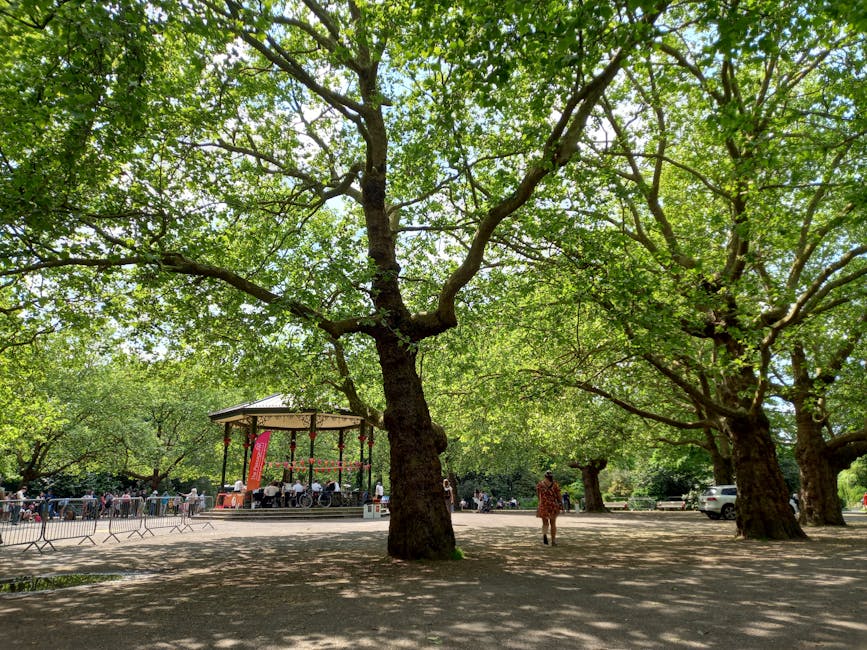
Clapham Common event cleaning for pubs and venues
Busy nights around Clapham Common can be brilliant for trade and terrible for the mop bucket. One minute your pub, bar, live music space, or private venue is full of energy; the next, you are looking at sticky floors, glass edges in odd places, toilet queues that have done their worst, and a staff team that would rather go home than scrub until sunrise. That is exactly where Clapham Common event cleaning for pubs and venues earns its keep. Done properly, it protects presentation, safety, and the next day's opening. Done badly, well, you notice it immediately.
This guide breaks down how event cleaning works, who needs it, what good service should include, and how to plan it without chaos. You will also find a practical checklist, a comparison of cleaning methods, and a few real-world tips that make post-event recovery feel much less like a late-night panic.
Table of Contents
- Why Clapham Common event cleaning for pubs and venues Matters
- How Clapham Common event cleaning for pubs and venues Works
- Key Benefits and Practical Advantages
- Who This Is For and When It Makes Sense
- Step-by-Step Guidance
- Expert Tips for Better Results
- Common Mistakes to Avoid
- Tools, Resources and Recommendations
- Law, Compliance, Standards, or Best Practice
- Options, Methods, or Comparison Table
- Case Study or Real-World Example
- Practical Checklist
- Conclusion
- Frequently Asked Questions
Why Clapham Common event cleaning for pubs and venues Matters
Clapham Common brings a very particular kind of footfall. Match days, weekends, celebrations, ticketed nights, seasonal parties, community events, and private functions can all leave behind a mix of footprints, spillages, glassware debris, and hard-to-shift grime. If your venue sits in that flow, cleaning is not just about looking tidy. It is about keeping the place open, safe, and usable with as little interruption as possible.
In practice, a strong event clean does three jobs at once: it resets the venue, it reduces risk, and it protects your reputation. That sounds simple, but anyone who has opened a pub at 11 a.m. after a late finish knows it is not simple at all. Sticky beer on a tiled floor turns into a slip hazard. A blocked toilet becomes a complaint magnet. Upholstery that looks fine in daylight can smell very different the next morning. Small things snowball.
There is also the customer-experience angle. People remember how a venue feels when they walk in. Clean glass, fresh floors, decent toilets, and a room that does not smell faintly of last night's lager all help. Truth be told, good cleaning can be part of the atmosphere. It quietly says the place is managed properly.
Expert summary: Event cleaning is not only a post-party tidy-up. For pubs and venues near Clapham Common, it is a continuity task: reset fast, reduce hazards, preserve standards, and get ready for the next service without drama.
If your venue handles events regularly, this is where broader commercial cleaning support can make a real difference, especially when you need scheduled resets rather than occasional emergency scrubs.
How Clapham Common event cleaning for pubs and venues Works
Event cleaning is usually planned around the rhythm of the venue rather than a fixed one-size-fits-all checklist. A small pub quiz night, for example, needs a different approach from a ticketed DJ set or a wedding reception. The cleaner comes in with a clear scope: what must be done before guests arrive, what needs attention during the event, and what has to happen after close-down.
Most jobs are split into three phases. Pre-event cleaning focuses on presentation and readiness. That means floors, toilets, bar fronts, touchpoints, glass, and any high-visibility areas. During an event, the emphasis is on keeping things under control: clearing spillages quickly, emptying bins, preventing build-up in toilets, and stopping problem areas from becoming a bigger job later. Post-event cleaning is the heavy lift. This is where the real reset happens.
For venues with carpets, upholstery, or soft seating, the clean often goes beyond mopping and wiping. A proper service may involve carpet cleaning for tracked-in dirt and drink marks, plus upholstery cleaning where seating has absorbed odours or spill residue. If the venue has banquettes, velvet chairs, or fabric stools, you already know how quickly a small stain can become the thing every customer notices.
The practical workflow usually looks like this:
- Walk the space and identify priority areas.
- Remove waste, bottles, and visible debris.
- Treat spillages and sanitise touchpoints.
- Clean washrooms, floors, bars, and access routes.
- Check soft furnishings, mirrors, and glass.
- Do a final sweep, then a final final sweep. Yes, really.
A good event cleaning team works in a way that complements venue operations. That means they understand opening times, stock movement, staff access, and the practical reality of a room still being used while sections are cleaned. It is a little choreography, a little common sense.
Key Benefits and Practical Advantages
The obvious benefit is cleanliness. But the real advantages are a bit broader than that. When event cleaning is handled well, the venue becomes easier to run, easier to inspect, and easier to hand over between teams or shifts.
- Faster turnaround: You can reopen sooner without leaving staff to manage the worst of the debris themselves.
- Better first impressions: Clean floors and toilets matter more than most people admit.
- Lower slip and trip risk: Spills, crushed ice, napkins, and glass fragments need prompt attention.
- Less odour retention: Food, alcohol, smoke residue, and heavy footfall all linger if not dealt with properly.
- Improved asset life: Regular deep cleaning helps preserve flooring, soft seating, and fixtures.
- Reduced staff fatigue: Your team can focus on service instead of staying behind to clean every last corner.
One benefit that often gets overlooked is consistency. A reliable cleaning process means the venue does not drift. Standards stay steady, even after a particularly lively Friday or a packed private hire. That stability is worth a lot, especially if multiple people are managing the site across different shifts.
If the venue also hosts corporate bookings, weddings, or recurring functions, pairing event cleans with one-off cleaning can be a practical way to handle irregular surges without committing to a permanent service level that does not match demand.
Who This Is For and When It Makes Sense
This service makes sense for any pub, bar, club-style venue, function room, community hall, or hospitality space that sees a clear spike in mess after events. It is especially useful if your venue is near Clapham Common and experiences high weekend volume, seasonal party bookings, or mixed-use events with food and drink service.
You may need it if:
- you host live music, DJ nights, quiz nights, or ticketed parties;
- you run private hire rooms that need a full reset before the next booking;
- you have staff, but not enough staff time, to deep clean after close;
- you want a cleaner handover between bar close and next-day trade;
- you have recurring problems with sticky floors, washroom build-up, or stubborn odours;
- you manage a venue that must look polished for guests, organisers, or inspectors.
It can also be a smart choice for venues that are technically tidy but never feel fully fresh. You know the kind of place: the floor looks okay in the evening light, but by morning the skirting boards, corners, and base of the bar are telling a different story. Event cleaning closes that gap.
For buildings with shared entrances, stairwells, or external access routes, a little support with communal area cleaning can help keep entrances, corridors, and shared touchpoints presentable too. That matters more than people think when guests arrive in groups.
Step-by-Step Guidance
If you are planning Clapham Common event cleaning for pubs and venues, start with the work backwards from the finish time. That sounds obvious, but venues often plan cleaning as an afterthought, then wonder why the process feels rushed and awkward. A proper plan avoids that.
1. Map the event footprint
Identify every area guests will use. Bars, toilets, cloakrooms, entrances, smoking areas, staff corridors, prep zones, and any function room should all be included. If guests can touch it, spill on it, or queue near it, it belongs in the clean plan.
2. Separate visible cleaning from deep cleaning
Some tasks are about immediate appearance. Others are about longer-term hygiene and maintenance. Wiping surfaces and clearing bins is not the same thing as cleaning behind the bar or removing ingrained grime from grout lines. A strong plan covers both. Maybe not every night, but across the week.
3. Set timing windows
Decide when work can happen. Before doors open? During a lull? Immediately after close? The cleaner needs access that matches the venue's operating pattern. If cleaning starts too late, staff get trapped in a half-cleaned room. If it starts too early, the space gets dirty again before guests even arrive. Classic problem.
4. Prioritise high-risk areas
Toilets, bar floors, stair edges, entrances, and spill zones should be first in line. These are the areas most likely to cause complaints or accidents. If the venue has a kitchen or food prep connection, that zone should be handled with extra care and the right cleaning products for the surface.
5. Use the right methods for each material
Hard flooring, carpet, laminate, tile, wood, vinyl, and soft furnishings all need different handling. A floor can look clean but still be slippery if the wrong residue is left behind. Soft seating may need spot treatment rather than a heavy soak. This is where experience matters more than enthusiasm, to be fair.
6. Finish with inspection, not assumption
The final pass is where standards are protected. Check the corners, sink areas, under bar ledges, door handles, mirrors, and the bits people forget. A venue often looks clean from the doorway and not-so-clean from three feet away. Guests tend to notice the three-foot view.
Expert Tips for Better Results
Small details make a big difference after an event. The best teams do not just clean harder; they clean more intelligently.
- Work top to bottom: Dust and debris fall. Clean higher surfaces before floors.
- Don't leave spillages overnight: Sugary drinks and alcohol residues get harder to remove once they dry.
- Use separate cloths by zone: Toilets should not share cloths with bar fronts or dining areas. Obvious, yes, but worth saying.
- Keep odour control practical: Fresh air, waste removal, and proper surface cleaning usually matter more than masking sprays.
- Have a stains-first approach: Spot treat immediately, especially on fabric seating and carpets.
- Log recurring problem areas: If the same corner, toilet cubicle, or entrance mat is always an issue, treat it as a pattern, not a one-off.
One simple habit helps a lot: keep a short event-clean handover note. It does not need to be formal. Just enough to record what was busy, what broke, what stained, and what needs a deeper pass later. Those notes are gold when a venue hosts the same type of event again next month.
If you also have a regular daytime schedule to maintain, a recurring regular cleaning plan can make the event reset easier because the baseline standard is already higher. Less rescue work, more maintenance. Everyone wins.
Common Mistakes to Avoid
Let's face it, most cleaning problems after events are preventable. They happen because the plan was too vague, too late, or based on wishful thinking. A few mistakes show up again and again.
- Leaving cleaning until staff are exhausted: tired teams miss details and work less safely.
- Underestimating toilets: they are small spaces, but they create outsized complaints.
- Using one approach for every surface: that can damage materials or leave residue behind.
- Ignoring the entrance: first impressions start at the door, not at the bar.
- Forgetting hidden zones: under benches, behind bins, along skirting, and around foot rails.
- Assuming "looks fine" means "is fine": odours, bacteria, and grime do not always announce themselves immediately.
Another common issue is poor communication. The cleaner arrives, but nobody has explained which areas were used, what was spilled, or whether the function room became a mini dancefloor at midnight. That sort of missing context leads to gaps. The clean ends up looking decent, but not complete.
Tools, Resources and Recommendations
You do not need an overcomplicated kit to clean a venue well. You do need the right kit, used in the right order. The basics are often more effective than the fancy stuff.
Useful tools and supplies typically include:
- microfibre cloths for surfaces and glass;
- colour-coded mops and buckets for zoning;
- vacuum cleaners suited to commercial footfall;
- neutral floor cleaner or surface-safe detergent;
- degreaser for bar areas where appropriate;
- sanitising products for toilets and high-touch points;
- spot-treatment products for carpets and fabric seating;
- glass and mirror cleaner for front-of-house polish;
- heavy-duty waste bags and liners;
- protective gloves and simple spill-response gear.
For venues with heavy fabric use, sofa-style seating, booth areas, or occasional lounge layouts, sofa cleaning can be a useful extra rather than an afterthought. The same goes for chairs and banquettes that absorb spills slowly and then release them back into the room as odour. Charming stuff, really.
Where windows, front panes, or glass doors are part of the customer experience, window cleaning helps the venue feel sharper from the street. On a grey London morning, that bit of clarity matters more than you would expect.
And if your venue is the kind of space that sees occasional refurbishments or layout changes, you may occasionally need after builders cleaning to reset dust, residue, and construction mess before reopening properly.
Law, Compliance, Standards, or Best Practice
Cleaning a pub or venue is not just a cosmetic job. There are safety, hygiene, and operational expectations to think about. UK venues generally need to manage risks around slips, trips, contaminated surfaces, waste handling, and safe chemical use. The exact obligations depend on the business type and the space, so it is sensible to treat this as a practical compliance area rather than a box-ticking exercise.
Good practice usually means having a clear cleaning schedule, using products safely, storing equipment correctly, and making sure staff or contractors understand where hazards may appear. Wet floors should be signed and managed. Chemicals should be handled according to instructions. Glass, broken items, and contaminated waste should be removed promptly and safely. Nothing glamorous there, but it matters.
It is also wise to choose a provider that can demonstrate sensible procedures around health and safety and insurance and safety. That does not automatically make the service better, but it does tell you they have thought beyond the mop. For venue operators, that reassurance is worth having.
Best practice is also about documentation. If you run regular events, keep a record of what was cleaned, when, and by whom. It can help with internal accountability, handovers, and maintenance planning. Again, not thrilling. Still useful.
Options, Methods, or Comparison Table
Not every venue needs the same cleaning method. Some just need a fast reset after an evening's trade. Others need a more intensive deep clean because events have pushed the space hard over several days. Here is a simple comparison to help you decide what fits.
| Method | Best for | Strengths | Limits |
|---|---|---|---|
| Quick post-event clean | Small events, low spill volume, fast turnaround | Fast, practical, keeps the venue presentable | Does not remove deep grime or odours fully |
| Scheduled event cleaning | Recurring events and regular venue hire | Predictable, scalable, easier for staff planning | Needs coordination and a clear scope |
| Deep clean after events | Busy functions, heavy footfall, stubborn dirt | More thorough, better for hygiene and reset | Takes longer and may need access outside trading hours |
| Targeted fabric and floor treatment | Carpets, upholstery, seating, and high-wear zones | Protects assets and improves appearance | Usually works best as part of a wider clean |
If a venue is busy every week, a mixed model often works best: a lighter clean after each event, then a deeper service at planned intervals. That keeps standards up without overdoing labour or disrupting trade. Simple, really. Not easy. But simple.
Case Study or Real-World Example
Imagine a pub near Clapham Common that hosts Friday night live music and Saturday private hires. By midnight, the room is fine in the sense that nobody is throwing chairs, but the floor has drink drips, the toilets need attention, the booth seating has a couple of suspicious marks, and the front entrance has collected a mix of wet shoe prints and grit.
Instead of leaving the reset to the opening team, the venue arranges a structured event clean. The first pass clears waste, bottles, and obvious spillages. Toilets are cleaned and restocked. Floors are treated before residue settles. Upholstered seating is spot cleaned before the marks set. The next morning, the venue opens with less panic, fewer complaints, and a much better smell. That last part matters more than people admit. You walk in and instantly feel whether the room has been reset.
Now compare that to a venue that relies on an overloaded duty manager and two tired staff members at 1:30 a.m. The room may still be "clean enough" by the most generous definition, but the bar edge stays tacky, the toilets are just okay, and the place never fully rebounds. Over time, that difference shows in guest reviews, staff morale, and maintenance costs. Not dramatic. Just cumulative.
Practical Checklist
Use this checklist before and after events to keep the cleaning process steady.
- Confirm event finish time and access windows.
- Identify all guest-used areas, including toilets and entrances.
- Prepare waste bags, mops, cloths, and appropriate cleaners.
- Assign priority zones: toilets, bar, floors, and high-touch points.
- Remove bottles, glass, food waste, and loose debris.
- Treat spillages before they dry.
- Check carpets, upholstery, and soft seating for marks or odours.
- Clean mirrors, glass doors, counters, and handles.
- Inspect corners, skirting, and hidden areas.
- Do a final walk-through before reopening or handing over.
Quick reminder: if the venue has a recurring problem area, write it down and deal with it next time. The same patch of floor will not magically improve on its own. Annoying, but true.
Conclusion
Clapham Common event cleaning for pubs and venues is really about control. Control over presentation, hygiene, safety, and the pace of reopening. When the work is planned properly, the venue feels calmer, runs smoother, and recovers faster after a busy night. That is good for staff, good for customers, and good for the business as a whole.
The main thing is not to treat event cleaning as a leftover task. Treat it as part of the event itself. Plan it, time it, and give it the same attention you give to staffing, stock, and bookings. The difference shows up quickly, often before the first coffee is poured the next morning.
Get a free quote today and see how much you can save.
If you want a venue that feels ready for the next crowd instead of recovering from the last one, that steady, well-finished reset makes all the difference. Sometimes it is the quiet work behind the scenes that keeps everything moving.
Frequently Asked Questions
What does event cleaning for pubs and venues usually include?
It usually includes waste removal, floor cleaning, toilet cleaning, sanitising touchpoints, spill treatment, glass and mirror cleaning, and a final inspection. For venues with soft furnishings, carpets or upholstered seating may also need attention.
How soon should cleaning happen after an event?
Ideally, as soon as the space is clear and safe to access. The longer spills, odours, and debris sit, the harder they are to remove. Fast turnaround is especially useful if the venue has next-day bookings or early opening hours.
Can event cleaning be done while guests are still in the venue?
Yes, in some cases. Light touchpoint cleaning, bin emptying, or toilet checks can happen during quieter periods. The key is to avoid disrupting guests or creating safety issues. Timing and access are everything here.
Is event cleaning different from regular cleaning?
Yes. Regular cleaning focuses on maintaining a baseline standard. Event cleaning deals with short-term spikes in mess, higher footfall, spillages, and faster reset needs. In a busy venue, the two services often work best together.
Do pubs near Clapham Common need deep cleaning after every event?
Not necessarily. A full deep clean after every event would be excessive for most venues. More often, a mix of quick resets and planned deeper cleans works better. It depends on event size, traffic, and how heavily the space is used.
What areas are most important in a venue clean?
Toilets, floors, entrances, bar areas, high-touch points, and any soft seating are usually the most important. If guests notice a problem, it is often one of those areas. They are the pressure points, basically.
How do you handle carpet or upholstery stains after an event?
Spot treatment should happen quickly, using methods suited to the material. Rubbing too hard or using the wrong product can spread the stain or damage the fabric. For larger or recurring marks, a specialist clean is usually the safer option.
What should I ask before booking a cleaning service?
Ask what is included, when the team can attend, how they handle spillages and toilets, whether they bring their own equipment, and how they manage insurance and safety. Clear answers are a good sign. Vague answers are not.
Can a cleaning plan help reduce staff overtime?
Usually, yes. If the venue has an organised event-cleaning process, staff do less late-night reset work and can focus on service. That can reduce fatigue and keep opening duties more predictable.
How do I know if my venue needs a one-off or ongoing cleaning arrangement?
If your events are occasional, a one-off arrangement may be enough. If you host regular functions, private hires, or weekend events, a recurring plan is often more efficient and easier to manage. It depends on how often the mess comes back, really.
What are the biggest mistakes venues make after events?
The biggest mistakes are waiting too long, ignoring toilets, using the wrong products, and assuming the room is fine because it looks okay at a glance. Hidden mess and residue tend to show themselves later, often when you least want them to.
Where can I learn more about the company and its approach?
You can review the company's about us page for background and approach, and check the pricing and quotes page for the next step when you are ready to compare options.